
Tag Archives: Moroccan Preserved Lemons

Moroccan Tajine Recipe, Your Morocco Travel Guide


Moroccan Tajine

Moroccan Tajine

Tajines in Moroccan cuisine are slow-cooked stews braised at low temperatures, resulting in tender meat with aromatic vegetables and sauce. They are traditionally cooked in the tajine pot, whose cover has a knob-like formation at its top to facilitate removal. While simmering, the cover can be lifted off without the aid of a mitten, enabling the cook to inspect the main ingredients, add vegetables, move things around, or add additional braising liquid. To learn how to make a Moroccan tajine first hand, consider taking A Taste of Morocco tour or a local cooking class from a chef at a cooking school or university closest to where you live.

Tajine or tagine is a type of dish found in the North African cuisines of Morocco, which is named after the special pot in which it is cooked. The traditional tajine pot is formed entirely of a heavy clay which is sometimes painted or glazed. It consists of two parts; a base unit which is flat and circular with low sides, and a large cone or dome-shaped cover that rests inside the base during cooking. The cover is designed to promote the return of all condensation to the bottom. With the cover removed, the base can be taken to the table for serving. The clay used to make a tajine comes from various regions in Morocco. Morocco’s Sahara Desert has orange colored clay as does the Ouarzazate region. Some of the best cooking tajines can be found in the Tizin’ Tichka pass and tajines for decorative purposed in the pottery capital, Safi.

Traditional Clay Tajine

Traditional Clay Tajine

Most tagines involve slow simmering of less-expensive meats. For example, the ideal cuts of lamb are the neck, shoulder or shank cooked until it is falling off the bone. Very few Moroccan tajines require initial browning; if there is to be browning it is invariably done after the lamb has been simmered and the flesh has become butter-tender and very moist. In order to accomplish this, the cooking liquid must contain some fat, which may be skimmed off later.

Moroccan tajines often combine lamb or chicken with a medley of ingredients or seasonings: olives, quinces, apples, pears, apricots, raisins, prunes, dates, nuts, with fresh or preserved lemons, with or without honey, with or without a complexity of spices. Traditional spices that are used to flavour tajines include ground cinnamon, saffron, ginger, turmeric, cumin, paprika, pepper, as well as the famous spice blend Ras el hanout. Some famous tajine dishes are mqualli or emshmel (both are pairings of chicken, olives and citrus fruits, though preparation methods differ), kefta (meatballs in an egg and tomato sauce), and mrouzia (lamb, raisins and almonds).

Other ingredients for a tajine include any product that braises well: fish, quail, pigeon, beef, root vegetables, legumes, even amber and aga wood. Modern recipes in the West include pot roasts, ossobuco, lamb shanks and turkey legs. Seasonings can be traditional Moroccan spices, French, Italian or suited to the dish.

Aluminum Modern Tajine

Aluminum Modern Tajine

Morocco, perhaps feeling pressure to catch up with Europe, is beginning to use the efficient pressure cooker to make tajines. Recently, European manufacturers have created tajines with heavy cast iron bottoms that can be fired on a stovetop at high heat. This permits browning meat and vegetables before cooking. While the similar Dutch oven and Sac spell (sach) (a cast iron pot with a tight cover) braises most efficiently in the oven, the tajine braises best on the stovetop.

Tajine makers, who want to remain loyal to the original cooking methods but save time, can still cook with saucepans and casseroles, but place them over gas versus a slow fire. Regardless of how you make tajine, you should make it with love and care as this will assure a delicious result. Also, keep in mind that it is difficult to make tajines for large groups because they don’t contain much more than sauce. As a result, a tajine is better prepared for your family or an intimate gathering of friends.

Tajines are a delicious meal if you enjoy exotic ingredients like lamb or chicken marinated in olive oil and garlic. (If you are vegetarian, you can request your tajine to be made without meat during your Moroccan travels). Meats are always first sautéed and then embellished with combinations of marinades including saffron, cumin, crushed red pepper, fresh coriander, parsley, chickpeas, and almonds. To be playful with the dishes, Moroccans sometimes add prunes, ginger, or hard boiled eggs. The standard dish will always include chicken, olives and salted lemons.

Some tricks to get your tajine like those of Moroccan mothers include using cooking butter (you can substitute for olive oil) and large quantities of chopped onions. Warm the onions until they reach their softest state; this will help the tajine sauce taste creamier. Adding a touch of honey is another secret.

Some differences in how tajines vary between regions include details of what spices, fats, and seasonal produce are used. Regardless of where your ingredients come from, one similarity throughout Morocco is that upon preparation, the tajine is commonly ate with couscous or thick wedges of freshly made hot bread used to scoop up the meat and vegetables.

Decorative Moroccan Tajine

Decorative Moroccan Tajine

MOROCCAN TAJINE RECIPES: The following are a few of the most popular tajine recipes to recreate at home.

Recipe: Beef Tajine with Almonds and Prunes

Ingredients:

3 Lb. beef

4.oz butter

2 tablespoons of olive oil

2 large onions

1 teaspoon

salt

1/4 cup sugar

1/2 teaspoon ground black pepper

1 strip lemon peel

1 teaspoon powdered ginger

1 Ib dried prunes

1/2 teaspoon powdered saffron

blanched almonds

3 short cinnamon sticks

fresh water cress or mint

2 tablespoons of olive oil

Making a Beef Tajine with Almonds and Prunes:
Combine the oil and ground spices in a bow, then cut the beef into cubes, chop onions finely, and mix both into oil and spices. Let stand. Sear the meat lightly in butter, add any remaining marinade and enough water to cover-simmer until meat is tender while the meat is cooking, cover the prunes with boiling water. Set aside for 20 minutes. Drain the prunes and cook them in a small amount of liquid from the meat. Add the lemon peel, cinnamon sticks, and half the sugar. Stir the remaining sugar into the meat. Arrange the meat, prunes, and their sauce on serving dish. Boil the remaining liquid from the meat rapidly to reduce it by half. Pour sauce over the meat and prunes. Garnish with almonds sautéed in a little butter and with watercress or mint. Serve with fresh bread, rice or couscous.

Chicken Olive and Preserved Lemon Tajine

Chicken Olive and Preserved Lemon Tajine

Recipe: Chicken Tajine with Olives and Preserved Lemons

Rock salt

1 whole large chicken, cut into 8 pieces

1 tablespoon white wine vinegar

5 tablespoons olive oil

1 large bunch fresh cilantro, chopped

1 teaspoon cinnamon

1/2 teaspoon real saffron

Pinch fine salt

1/2 pound onions, chopped

5 cloves garlic, chopped

1 teaspoon cumin

1 teaspoon ground ginger

1 teaspoon paprika

1 teaspoon turmeric

1/4 pound gizzards, optional

1/4 pound chicken liver, optional

1/4 cup mixed olives, pitted

3 small preserved lemons

Making a Chicken Tajine with Olives and Preserved Lemons:
First rub the rock salt into the chicken pieces and then wash the chicken in the white wine vinegar and water. Leave for 10 minutes. Rinse and dry and place onto a clean plate. In a large bowl, mix the olive oil, coriander, cinnamon, saffron, fine salt, 1/2 the onions, garlic, cumin, ginger, paprika, turmeric. Mix all these ingredients into the oil and crush the garlic and add a little water to make a paste. Roll the chicken pieces into the marinade and leave for 10 to 15 minutes. For cooking, use an earthenware tajine (traditional Moroccan dish) or a deep, heavy bottom casserole dish. Heat the dish up and add 2 tablespoons of olive oil to the hot dish. Drop in the chicken and pour over the excess marinade juices. Add the remaining onions, gizzards, chicken livers, olives, and chopped preserved lemons (no pulp). Cook on a gas or electric stove for 45 minutes – 1 Hour. Allow the tajine to have a slight burn on the inside bottom. Serve with fresh bread.

For more information about Moroccan Tajine recipes

For more information about Travel and Tours to Morocco plus highlights on Moroccan culture visit Morocco’s Imperial Cities, Seaside Resorts,Sahara Desert, Berber villages, A Taste of Morocco, Magical Kasbahs, Ruins & Waterfalls, Absolute Morocco, The Best of Marrakech, Fes, and Ouarzazate

Discover The Best of Morocco - Travel Exploration

Travel Exploration specializes in Morocco Travel. We provide Tours and travel opportunities to Morocco for the independent traveler and tailor-made tours for families and groups with a distinctly unique flavor. From Morocco’s Seven Imperial Cities, to the Magical Sahara Travel Exploration offers a captivating experience that will inspire you. At Travel Exploration we guarantee that you will discover the best of Morocco! Call Travel Exploration at 1 (800) 787-8806 or 1 (917)703-2078 and let’s book a tour to Morocco for you today.

Tajines in Morocco, Moroccan Tajine, Beef and prune tajine, Chicken and preserved lemon tajine, Tajine recipes, Moroccan tajine recipe, Moroccan preserved lemons, North African cuisine, North African cooking, Ras el hanout, Moroccan cuisine, Tajine, Sahara Desert, Tizin’ Tichka Pass, Ouarzazate, Clay Tajines, Cooking Moroccan Food, Moroccan recipes, Tajine recipes, Moroccan tajine recipe, Beef and Prune Tajine recipes, Chicken and Preserved Lemon Tajine recipe, Morocco private tours, Morocco Holidays, Morocco Travel, Travel Exploration, Travel to Morocco

Leave a Comment

Filed under Uncategorized

Morocco Traditional Food, The World of Moroccan Cuisine, Your Morocco Travel Guide

Moroccan Couscous

Moroccan Couscous

Moroccan cuisine is the culinary star of North Africa. Imperial and trade influence has been filtered and blended into Morocco’s culture. Being at the crossroads of many civilizations, the cuisine of Morocco is a mélange of Arab, Berber, Moorish, French, Middle Eastern, Mediterranean African, Iberian, and Jewish influences.

Moroccan cooking is enhanced with fruits, dried and fresh — apricots, dates, figs, and raisins, to name a few. Lemons preserved in a salt-lemon juice mixture bring a unique face to many Moroccan chicken and pigeon dishes. Nuts are prominent; pine nuts, almonds, and pistachios show up in all sorts of unexpected places.

Moroccan Mint Tea

Moroccan Mint Tea

Moroccan sweets are rich and dense confections of cinnamon, almond, and fruit perfumes that are rolled in filo dough, soaked in honey, and stirred into puddings. The cooks in the royal kitchens of Fes, Meknes, Marrakech, Rabat and Tetouan refined Moroccan cuisine over the centuries and created the basis for what is known as Moroccan cuisine today. Spices are used extensively in Moroccan food.

While spices have been imported to Morocco for thousands of years, many ingredients, like saffron from Taliouine, mint and olives from Meknes, and oranges and lemons from Fes, are home-grown. Common spices include karfa (cinnamon), kamoun (cumin), kharkoum (turmeric), skingbir (ginger), libzar (pepper) , tahmira (paprika), anis seed, sesame seed, kasbour (coriander), maadnous (parsley), zaafrane beldi (saffron) and mint.

Moroccan Food

Moroccan Food

Traditional Food in Morocco is eaten at breakfast, lunh and dinner as well as on high holy holidays such as Ramadan and Eid El Kebir. The various types of Moroccan traditional cuisine include the Moroccan tajine and Moroccan couscous. Moroccans also have a penchant for fruit juice, Arabic coffee and mint tea along with their accompaniment of dates, nuts, deserts and pastries.

When taking a Moroccan holiday, make sure to expand your pallet by allowing yourself to enjoy a true a taste of Moroccan cuisine.

For more information about Morocco Traditional Food or A Taste of Morocco Tour

For more information about Travel and Tours to Morocco plus highlights on Moroccan culture visit Morocco’s Imperial CitiesSeaside Resorts,Sahara DesertBerber villagesA Taste of MoroccoMagical Kasbahs, Ruins & WaterfallsAbsolute Morocco, The Best of MarrakechFes, and Ouarzazate

Discover The Best of Morocco - Travel Exploration

Travel Exploration specializes in Morocco Travel. We provide Tours and travel opportunities to Morocco for the independent traveler and tailor-made tours for families and groups with a distinctly unique flavor. From Morocco’s Seven Imperial Cities, to the Magical Sahara Travel Exploration offers a captivating experience that will inspire you. At Travel Exploration we guarantee that you will discover the best of Morocco! Call Travel Exploration at 1 (800) 787-8806 or 1 (917)703-2078 and let’s book a tour to Morocco for you today.

Morocco Traditional Food, Traditional Food of Morocco, Moroccan Spices, Moroccan Cooking, Arab Food, Middle Eastern Food, Jewish Food, French Food, Ramadan, Eid El Kebir, Moroccan holiday, Taliouine, Moroccan Saffron, A Taste of Morocco, Morocco Cuisine Tour, Moroccan Cooking Tour, Moroccan Cooking Classes, Moroccan dried fruit, The World of Moroccan Cuisine, Moroccan Tajine,Moroccan Couscous, Tajine, Couscous, Moroccan Dates, Arabic Coffee, Moroccan Mint Tea, Mint Tea, Moroccan fruit juice, Moroccan sweets, Moroccan preserved lemons, Moroccan cuisine, Morocco private tours, Morocco Holidays, Morocco Travel, Travel Exploration, Travel to Morocco

Leave a Comment

Filed under Uncategorized

Moroccan Preserved Lemons, Your Morocco Travel Guide

Preserved Lemons in Moroccan Souk

Preserved lemons are a staple in Moroccan cuisine and are added to slow cooking tagines, stews, and soups for a wonderful tangy lemon flavor that can not be duplicated with fresh lemons. In Morocco, these lemons can be bought individually at a souk, or marketplace, and are very easy to find given their importance in Moroccan dishes. Outside of Morocco these lemons may be found in Middle Eastern or international markets but are so easy to make many cooks decide to prepare their own preserved lemons at home.

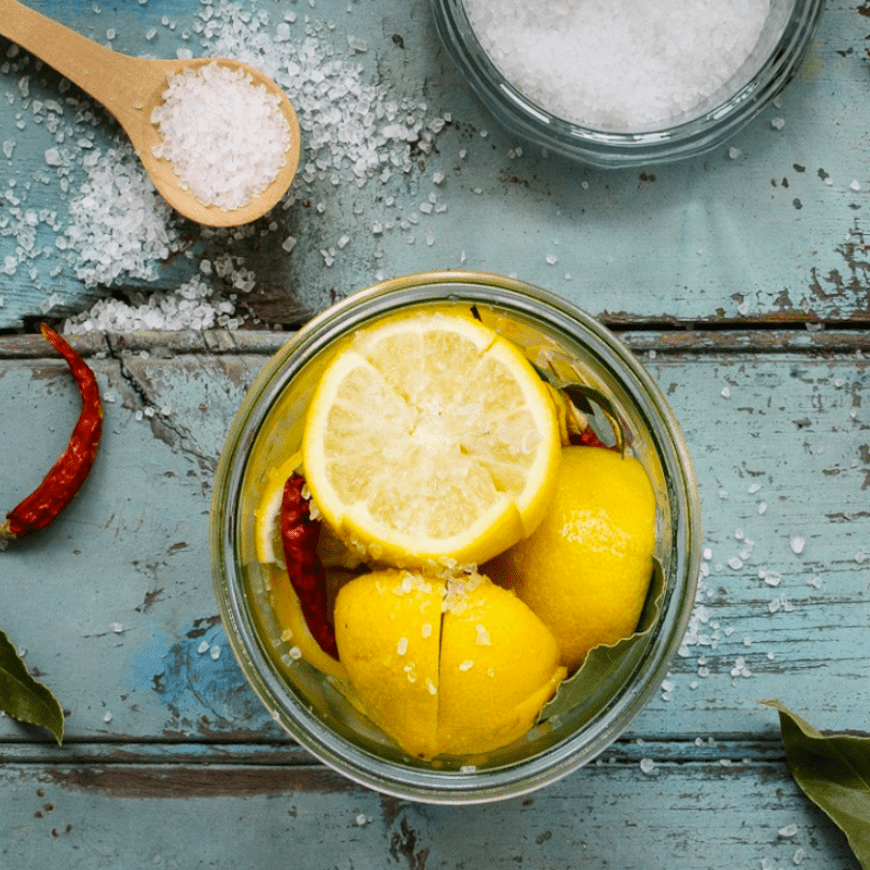
The ingredients for Moroccan preserved lemons are extremely simple, all you need are whole fresh lemons, sea salt, lemon juice, and, in some recipes, vegetable oil. There is also the option of adding additional spices to make the preserved lemons more suitable for sweet or savory dishes. Cinnamon sticks are a common spice that is added for lemons that are going to be used in sweet dishes and pepper or bay leaves are added for lemons that are going to be used in savory tagine dishes.

Moroccan Chicken & Preserved Lemon Tajine

The pickling process takes about one month and the preserved lemons will be good to use for up to six months. A simple clean jar is sufficient to pickle the lemons in but it is suggested that if you are not planning on refrigerating the lemons that you use a proper sterilized canning jar.

Moroccan Preserved Lemons Jarring Process

To Make Moroccan Preserved Lemons

- Cut off both rounded ends of the lemon and make two deep cuts lengthwise downwards, careful not to cut all the way through, so that the lemon has been incised with an X.

- Stuff the salt down into the cuts using about 1 tablespoon per lemon. If available use Moroccan sea salt for a finer taste.

- Pack the lemons tightly into the jar, pushing them to the bottom, and cover with lemon juice and any additional spices you choose to include. Some recipes call for topping the jar with vegetable oil.

-Leave the jar closed for one month, checking every couple of days to make sure the Moroccan lemons are fully submerged in juice.

- After one month the Moroccan preserved lemons are ready, the pulp and skins will have become soft and silken and can both be used in cooking recipes. Some people use the juice as well but this is often too salty. Rinse the lemons in water before using to wash away the extra salt and then add to any slow-cooking meat or vegetable tagine dish.

For more information about Moroccan Preserved Lemons and a Taste of Morocco Tour

For more information about Travel and Tours to Morocco plus highlights on Moroccan culture visit Morocco’s Imperial CitiesSeaside Resorts,Sahara DesertBerber villagesA Taste of MoroccoMagical Kasbahs, Ruins & WaterfallsAbsolute Morocco, The Best of MarrakechFes, and Ouarzazate

Discover The Best of Morocco - Travel Exploration

Travel Exploration specializes in Morocco Travel. We provide Tours and travel opportunities to Morocco for the independent traveler and tailor-made tours for families and groups with a distinctly unique flavor. From Morocco’s Seven Imperial Cities, to the Magical Sahara Travel Exploration offers a captivating experience that will inspire you. At Travel Exploration we guarantee that you will discover the best of Morocco! Call Travel Exploration at 1 (800) 787-8806  or 1 (917)703-2078  and let’s book a tour to Morocco for you today.

Moroccan Preserved Lemons, Preserved Lemons, Chicken and Preserved Lemon Tajine, Pickling process of preserved lemons, Preserved lemons at Moroccan Souks, Shopping for Preserved Lemons, Morocco Tours, Morocco Travel, Tours to Morocco, Morocco Vacations, Morocco Holidays

1 Comment

Filed under Uncategorized

Travel Diary of Moroccan Preserved Lemons


preserved-lemons

Preserved lemons are a staple in Moroccan cuisine and are added to slow cooking tagines, stews, and soups for a wonderful tangy lemon flavor that can not be duplicated by fresh lemons.  In Morocco, these lemons can be bought individually at a souk, or marketplace, and are very easy to find given their importance in Moroccan dishes.  Outside of Morocco these lemons may be found in Middle Eastern or international markets but are so easy to make many cooks decide to prepare their own preserved lemons at home.

The ingredients for Moroccan preserved lemons are extremely simple, all you need are whole fresh lemons, sea salt, lemon juice, and, in some recipes, vegetable oil.  There is also the option of adding additional spices to make the preserved lemons more suitable for sweet or savory dishes.  Cinnamon sticks are a common spice that is added for lemons that are going to be used in sweet dishes and pepper or bay leaves are added for lemons that are going to be used in savory tagine dishes.


The pickling process takes about one month and the preserved lemons will be good to use for up to six months.  A simple clean jar is sufficient to pickle the lemons in but it is suggested that if you are not planning on refrigerating the lemons that you use a proper sterilized canning jar.

To Make Preserved Lemons

Cut off both rounded ends of the lemon and make two deep cuts lengthwise downwards, careful not to cut all the way through, so that the lemon has been incised with an X.

Stuff the salt down into the cuts using about 1 tablespoon per lemon.

Pack the lemons tightly into the jar, pushing them to the bottom, and cover with lemon juice and any additional spices you choose to include.  Some recipes call for topping the jar with vegetable oil.

Leave the jar closed for one month, checking every couple of days to make sure the lemons are fully submerged in juice.

After one month the lemons are ready, the pulp and skins will have become soft and silken and can both be used in cooking recipes.  Some people use the juice as well but this is often too salty.  Rinse the lemons in water before using to wash away the extra salt and then add to any slow-cooking meat or vegetable tagine dish.

travel-exploration-signature-logo-link13

Travel Exploration specializes in Morocco Travel. We provide Tours and travel opportunities to Morocco for the independent traveler and tailor-made tours for families and groups with a distinctly unique flavor. From Morocco’s Seven Imperial Cities, to the Magical Sahara Travel Exploration offers a captivating experience that will inspire you. At Travel Exploration we guarantee that you will discover the best of Morocco! Google on call Travel Exploration at (917)703-2078 and let’s book a tour to Morocco for you today.

Leave a Comment

Filed under Photos, Recipes, Uncategorized