Every year on April 18th, food lovers, travelers, and cultural stewards around the world pause to honor something profound, the living, breathing, irreplaceable mosaic of culinary traditions that connects us to our ancestors and to each other.
World Culinary Heritage Day, launched in 2018 by the World Food Travel Association, is a global call to action: share the stories behind the food on your plate, celebrate the hands that prepared it, and protect what is still here before it disappears forever.
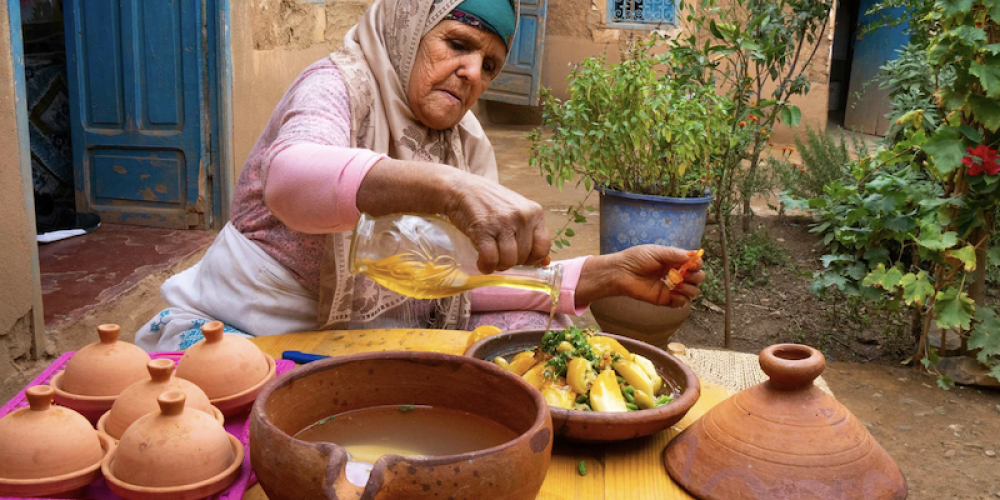
This day holds a very personal meaning for food lovers and cultural travelers alike. Moroccan cuisine is not just food, it is memory itself. It is a Berber grandmother pressing dough against volcanic rock at dawn. It is a Dada chef in a crumbling Marrakech riad whispering generations of knowledge into a simmering pot of tangia. It is the scent of cumin and argan oil drifting through a Marrakech souk on a cool February morning.
“Food is the universal language of culture. Morocco speaks it in saffron, preserved lemons, and the slow patience of a tagine.”
What Is World Culinary Heritage Day?
Accordingly, heritage day was established by the World Food Travel Association in 2018 as an annual platform to spotlight the importance of preserving local food cultures, traditional dishes, and culinary storytelling. At its heart, the day is a movement against the homogenization of food against the slow erasure of heirloom recipes by fast food chains, industrialized agriculture, and the relentless march of globalization.
Chiefly, the initiative encourages anyone passionate about food to share photos, videos, and personal stories of traditional ingredients or dishes on social media using the hashtag #CulinaryHeritageDay. The goal is simple but powerful: to create a global tapestry of culinary memory that documents what we still have — and inspires us to protect it.
Why Food Heritage Matters More Than Ever
Culinary tourism, travel motivated by a desire to experience authentic, local food culture creates direct economic benefits for local farmers, home cooks, market vendors, and food artisans, exactly the people who carry culinary heritage in their hands. It is a definition championed by the World Food Travel Association, and nowhere is it more vital than in Morocco. Traditional Moroccan cooking techniques, many passed down for centuries through oral tradition, are at real risk as younger generations migrate to cities and global food culture floods local markets. Supporting authentic culinary tourism is not just meaningful travel. It is an act of cultural preservation.
Morocco: A UNESCO-Worthy Culinary Heritage
Few countries on earth possess a culinary heritage as rich, layered, and geographically diverse as Morocco. Situated at the crossroads of Berber, Arab, Andalusian, Jewish, Sub-Saharan African, and French influences, Moroccan cuisine has spent 2,000 years absorbing, transforming, and perfecting. The result is a kitchen unlike any other bold yet nuanced, ancient yet endlessly adaptable.
The Berber Roots: Fire, Stone, and Patience
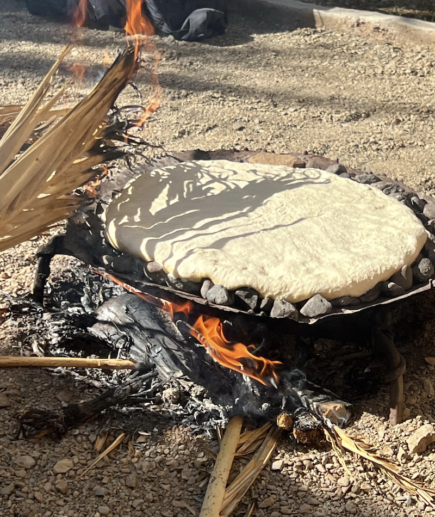
Long before any imperial city rose on Moroccan soil, the indigenous Amazigh (Berber) people were cooking over open fires, baking flatbreads on volcanic rock, and slow-cooking lamb in underground pits called maqla. These techniques are not relics they are still alive in the High Atlas, in the Rif Mountains, and in desert communities of the south, forming the irreducible foundation of everything we call Moroccan food today.
The Imperial Cities and the Art of the Feast
It is in the imperial medinas Fes, Marrakech, Meknes, and Rabat where Moroccan cuisine achieved its highest expression. Here, the royal court kitchens of successive dynasties produced the complex, ceremonial dishes that became Morocco’s signature: towering bastillas dusted with powdered sugar and cinnamon, whole lamb mechoui roasted in earthen pits, and intricate couscous topped with seven vegetables. The women who cooked in these kitchens the Dada chefs, often of Sub-Saharan African descent were the true guardians of this tradition, and many still practice their art in Fes today.
The Atlantic Coast and the Spice Roads
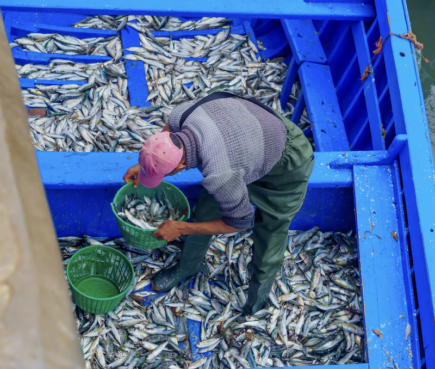
Cities like Essaouira and Tangier tell a different culinary story one shaped by Atlantic trade winds, Portuguese fishing villages, Moorish refugees from Andalusia, and centuries of spice commerce. The result is a coastal cuisine of fresh sardines grilled on charcoal braziers, argan oil pressed from wild-grown trees, and chermoula-marinated fish that carries the memory of every civilization that ever anchored in these harbors.
Three Iconic Moroccan Dishes & Their Stories
On World Culinary Heritage Day, we celebrate not just flavors but the narratives embedded in them. Here are three dishes at the very heart of Morocco’s culinary identity each with a recipe you can try at home, or better yet, learn to make with a master in Morocco itself.
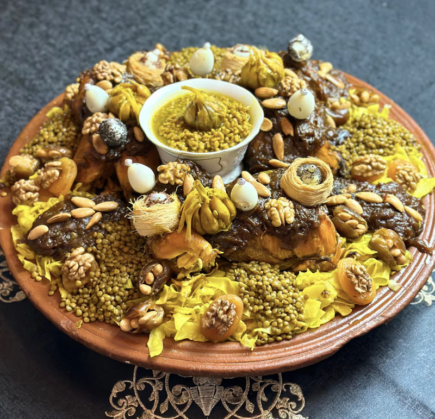
Rfissa — The Dish of Celebration and Convalescence
Rfissa is Morocco’s supreme comfort dish a deeply nourishing broth of shredded chicken slow-simmered with fenugreek seeds, lentils, and a crown-jewel spice blend called ras el hanout, ladled over hand-torn pieces of msemen (pan-fried flatbread). Traditionally prepared by mothers for daughters after childbirth, rfissa is served at celebrations and family reunions. The fenugreek is believed to aid recovery; the warmth of the broth, to restore the spirit.
Simple Home Recipe:
- Brown a whole chicken in olive oil with grated onions, saffron, ground ginger, ras el hanout, and turmeric.
- Add 1 cup of green lentils and 2 tablespoons of dried fenugreek seeds. Cover with water.
- Slow-simmer for 90 minutes until the broth is golden and fragrant.
- Prepare msemen flatbread (flour, semolina, salt, water, yeast; pan-fried in butter) and tear into pieces at the bottom of a wide serving bowl.
- Ladle the stew generously over the top. Garnish with caramelized onions and a drizzle of argan oil.
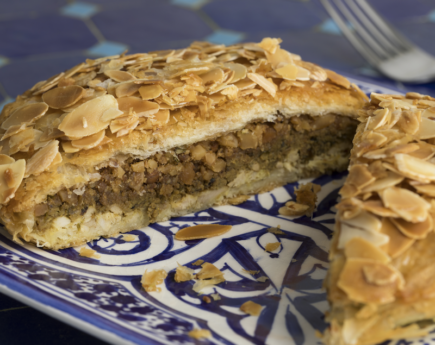
Pastilla (Bastilla) — Sweet, Savory, and Unforgettable
There is no dish that more eloquently captures Morocco’s Andalusian soul than bastilla. A masterwork of contrasting sensations — flaky warqa pastry that shatters at a touch, fragrant pigeon or chicken slow-cooked with saffron, onions, and fresh coriander, bound together with egg, and layered with crunchy spiced almonds — the whole extraordinary creation is dusted with powdered sugar and cinnamon. Sweet and savory, delicate and robust, bastilla is the dish of sultans and celebrations, and no wedding in Fes or Marrakech would be complete without it.
Simple Home Recipe:
- Slow-cook chicken thighs with onions, saffron, ginger, coriander, and parsley in a rich broth until very tender. Shred the chicken.
- Reduce the cooking liquid and add 4 beaten eggs, stirring gently until just set.
- Fry blanched almonds with 2 tablespoons sugar and 1 teaspoon cinnamon until golden.
- Layer warqa pastry sheets (or thin phyllo) in a buttered round pan, brushing each with butter.
- Add the chicken filling, then the egg mixture, then the almond layer. Fold pastry over to seal and brush the top with butter.
- Bake at 375°F until crisp and golden. Dust generously with powdered sugar and cinnamon before serving.
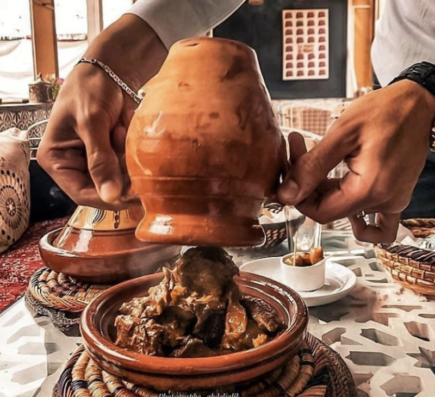
Tangia Marrakchia — The Bachelor’s Urn
Tangia is perhaps Morocco’s most poetic dish and the one with the most extraordinary origin story. In old Marrakech, men would bring their clay tangia urns, packed with lamb, preserved lemon, cumin, saffron, smen (preserved butter), and garlic, to the fernatchi the keeper of the communal hammam furnace — who would bury them in the warm ashes to slow-cook for hours while the men went to the souks. The tangia would be retrieved, impossibly tender and perfumed, at day’s end.
Simple Home Recipe:
- Place chunks of bone-in lamb shoulder in a heavy Dutch oven with preserved lemon quarters, a whole head of garlic halved crosswise, 2 teaspoons ground cumin, a generous pinch of saffron dissolved in warm water, 1 tablespoon smen or unsalted butter, and a splash of olive oil. Season with salt.
- Seal tightly with foil, then the lid. Cook at 300°F for 4–5 hours without disturbing.
- The meat should fall from the bone and the sauce be lusciously concentrated.
- Serve with warm Moroccan bread. Let the lamb speak for itself.
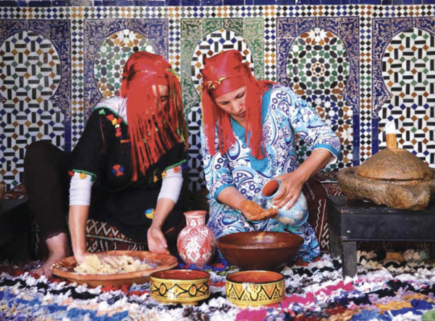
Authentic Culinary Experiences with Travel Exploration
For twenty years, Travel-Exploration has specialized in creating culinary and cultural journeys in Morocco that go far beyond the surface. We believe the most meaningful travel happens when you are not just watching you are doing, tasting, and connecting with the people who carry a tradition in their hands. Our Taste of Morocco 10-Day Culinary Tour is the fullest expression of this philosophy.
Berber Bread Baking on Volcanic Rock
One of our most extraordinary off-the-beaten-path experiences: baking traditional Berber flatbread directly on volcanic stone in an Amazigh mountain village. This is not a staged demonstration — it is a genuine practice that has continued for centuries. Your hands in the dough, fire at your feet, the Atlas Mountains at your back.
Private Home Cooking Classes
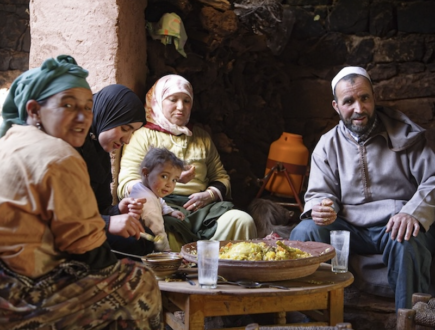
Some of Morocco’s greatest cooks have never been to culinary school. They learned at the side of their mothers and grandmothers in private homes in the medina. Our private home cooking classes place you in exactly these kitchens shopping at local markets for fresh ingredients, then cooking and sharing a meal that you will remember for the rest of your life.
Dada Chef-Led Cooking Classes in Marrakech
The Dada are Morocco’s legendary female culinary masters traditionally of Sub-Saharan African heritage who have been the backbone of the imperial city’s haute cuisine for generations. Cooking with a Dada in Fes is a privilege, an education, and an honor. Our Dada-led classes offer rare direct access to this living tradition.
In-Depth Culinary City Tours: Fes, Tangier, Marrakech & Essaouira
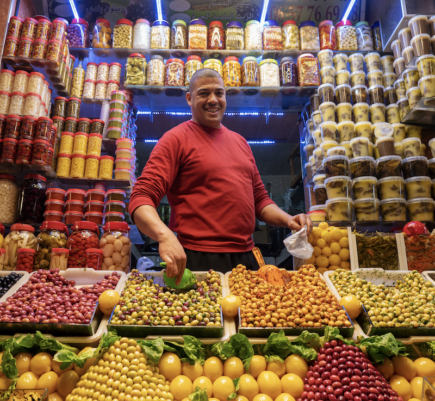
Each of Morocco’s great cities has its own distinct culinary personality. Our Taste of Morocco tour explores all four the medieval intensity of Fes, the cosmopolitan layers of Tangier, the sensory overload of Marrakech, and the wind-swept, argan-perfumed Atlantic spirit of Essaouira through immersive, guide-led culinary explorations.
Our tours are also available as private cultural and culinary journeys, tailored entirely around your interests, pace, and passions — whether you are a professional chef, a passionate home cook, or simply someone who believes the best way to understand a place is to eat it.
How to Celebrate World Culinary Heritage Day
You don’t need to be in Morocco to participate in World Culinary Heritage Day though we’d certainly recommend it. Here are a few ways to join the global conversation on April 18th, 2026:
Share Your Food Story on Social Media
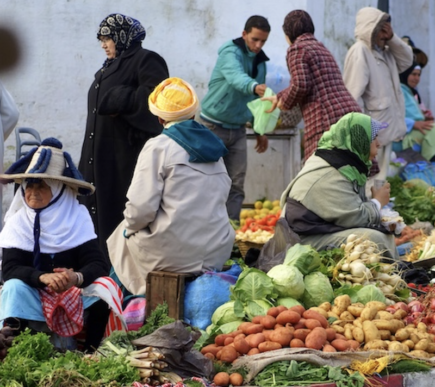
The World Food Travel Association invites everyone to share a photo or video of a traditional dish with a story attached — not just what it is, but who made it, where you tasted it, and what it means to you. Tag the place, name the dish, and tell the story. That act of witnessing and recording is itself a form of preservation.
Recommended hashtags:
- #CulinaryHeritageDay
- #TasteOfMorocco
- #MoroccanFood
- #AuthenticTravel
- #WorldFoodTravelAssociation
Cook a Traditional Recipe at Home
Try your hand at rfissa, bastilla, or tangia. Gather the spices, take your time, and let the fragrance fill your kitchen. As you cook, think about the generations of cooks who made this dish long before you. Then share the result — food made with intention and curiosity is its own kind of cultural bridge.
Plan a Culinary Journey to Morocco
The most powerful way to honor culinary heritage is to travel to where it lives to sit in the kitchen where a tradition was born, and to taste a dish prepared by someone who learned it from their grandmother. Our Taste of Morocco 10-Day Culinary Tour gives you direct, intimate, respectful access to Morocco’s living food culture. Twenty years of expertise. Dada chefs, Berber villages, volcanic stone bread, and the medinas of Fes, Marrakech, Tangier, and Essaouira all waiting for you.